
Colossal Biosciences has created genetically modified "woolly mice" as a stepping stone toward bringing the woolly mammoth back to life. By editing embryos with mammoth genes controlling fur growth and fat metabolism, the company aims to produce hybrid mammoth calves by 2028, using Asian elephants as surrogate mothers.
The line between science fiction and laboratory reality keeps blurring. A team of researchers at Colossal Biosciences, a company specializing in de-extinction, has engineered a peculiar new creature: a mouse with thick golden fur, dense undercoats, and specialized fat deposits that closely mirror the cold-weather adaptations of ancient mammoths. These animals, dubbed "woolly mice," are not an end in themselves. They are a proof of concept, a biological draft of what a resurrected mammoth might one day look like.
The ambition behind this experiment is staggering. And the debate it fuels is just as large.
Woolly mice: the first step in mammoth de-extinction
The creation of woolly mice follows a precise scientific methodology built on comparative genomics. Researchers at Colossal Biosciences began by analyzing DNA from three sources: woolly mammoth specimens, modern Asian elephants, and standard laboratory mice. This triangulation allowed the team to identify the genetic sequences most responsible for the mammoth's signature cold-weather traits.
Genetic editing of mouse embryos
Once the key genes were mapped, specifically those governing hair growth and fat metabolism, scientists introduced them directly into mouse embryos using advanced gene-editing techniques. The resulting offspring display a striking set of physical characteristics: thick golden fur, dense undercoats, and noticeably thicker layers of body fat, including specialized fat deposits. These traits are not random mutations. They are deliberate echoes of the evolutionary adaptations that allowed mammoths to thrive in Arctic conditions for millennia.
From mice to mammoths
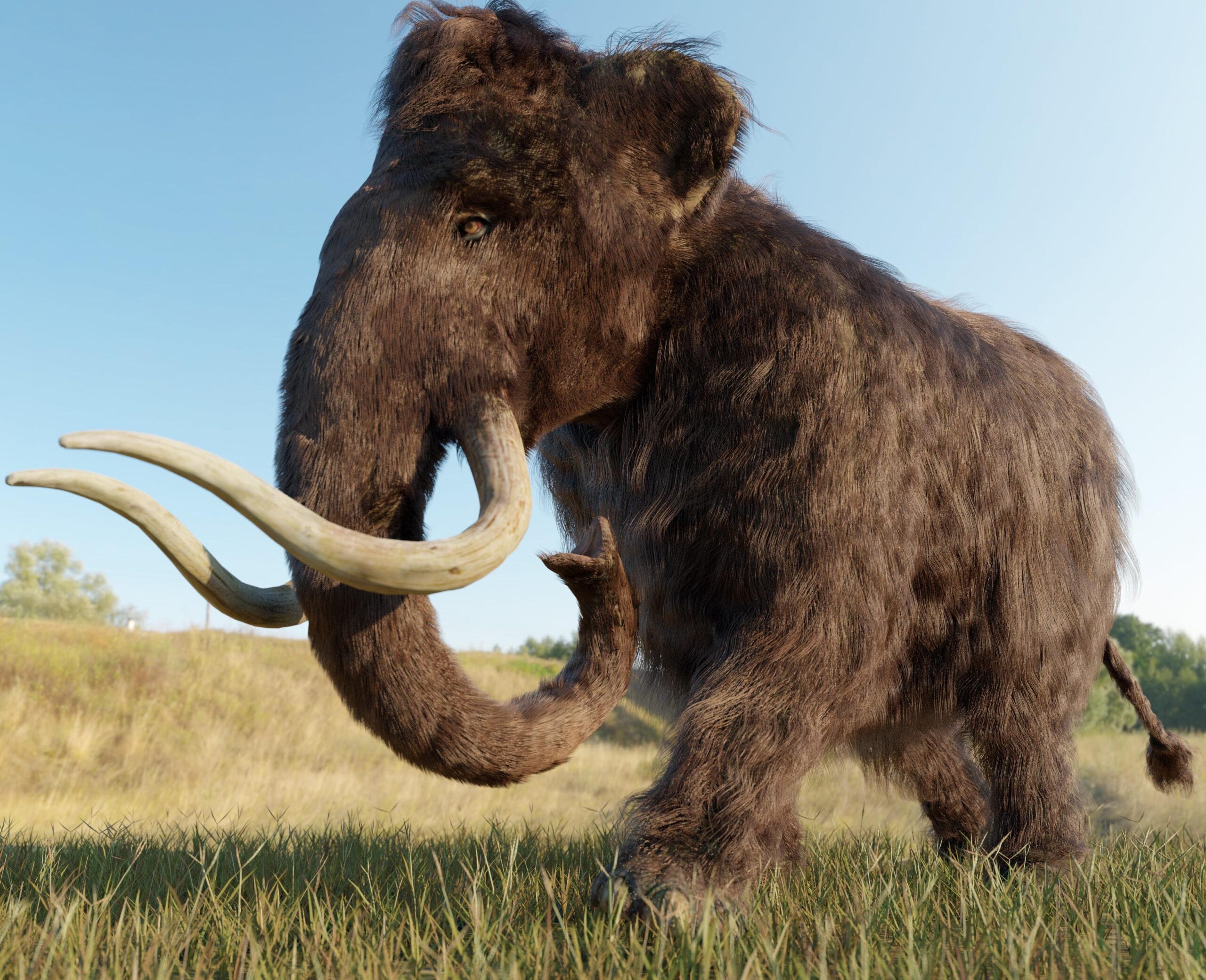
The woolly mouse experiment serves as validation for the broader strategy. By demonstrating that mammoth genes can be functionally expressed in a living mammal, Colossal Biosciences has established a biological roadmap. The next phase involves applying similar gene-editing methods to Asian elephant embryos, the mammoth's closest living relative. Those edited embryos would then be transferred into elephant surrogates, with the first hybrid mammoth calves targeted for birth by 2028. Decades of progress in mammalian genetics have made this timeline plausible, even if the technical and logistical challenges remain formidable.
The woolly mice currently live in laboratory settings. They are not intended for release into the wild, but their traits directly inform which genetic modifications will be prioritized for the elephant embryo phase of the project.
The scientific and ecological promise of de-extinction
Supporters of the mammoth de-extinction project point to a range of potential benefits that extend well beyond the novelty of seeing a prehistoric animal walk the Earth again. The most compelling argument centers on ecosystem restoration. Mammoths, as large grazing herbivores, played a significant role in shaping Arctic grassland environments. Reintroducing a functional equivalent could, in theory, help restore those ancient ecosystems and even contribute to climate regulation by maintaining permafrost integrity.
The technologies developed through this research also carry direct applications for wildlife conservation. Gene-editing tools refined for de-extinction purposes can be adapted to strengthen the genetic resilience of living endangered species. Populations facing collapse due to inbreeding or habitat loss could benefit from targeted genomic interventions. Colossal Biosciences frames the woolly mouse experiment not just as a milestone in mammoth research, but as a demonstration of tools with much wider conservation value.
target year for the birth of the first hybrid mammoth calves
Serious risks that critics refuse to minimize
But the project is far from universally celebrated. Critics raise pointed objections, and several of them deserve serious consideration. The most immediate concern is resource allocation. Funding and scientific attention directed toward resurrecting an extinct species are resources not being spent on the thousands of living, endangered animals currently facing extinction. The opportunity cost is real.
Ecological disruption and unpredictable consequences
Beyond resource competition, the ecological risks of introducing a mammoth hybrid into existing Arctic environments are genuinely difficult to predict. Critics warn of potential disruptions to established food chains, risks of hybridization with native species, and the possibility of invasive species dynamics taking hold. An animal engineered to thrive in a specific environment may outcompete native fauna in ways that destabilize plant and animal communities that have evolved over centuries without mammoths.
The disease transmission problem
There is also the question of disease propagation. Introducing a new large mammal, particularly one with a partially reconstructed genome, carries unknown risks for pathogen transmission. The interaction between a hybrid mammoth's immune profile and those of existing Arctic wildlife has not been studied, and the consequences of an unforeseen outbreak in a fragile ecosystem could be severe and irreversible.
Ecologists caution that the reintroduction of any large engineered animal into a wild ecosystem carries consequences that current models cannot fully anticipate, including disease spread, habitat competition, and disruption of existing predator-prey relationships.
Colossal Biosciences acknowledges these concerns and frames continued experimentation as the path toward addressing them. The immediate focus remains on identifying the most critical genes for Arctic survival, ensuring healthy development in future hybrid offspring, and refining the surrogate transfer process for elephant embryos. Whether the science ultimately vindicates or complicates the project's ambitions, the woolly mouse already represents something remarkable: a living animal carrying the genetic signature of a creature that vanished from the Earth thousands of years ago, breathing quietly in a laboratory, waiting to see what comes next.